
Wabi-sabi,
the beauty of imperfection.
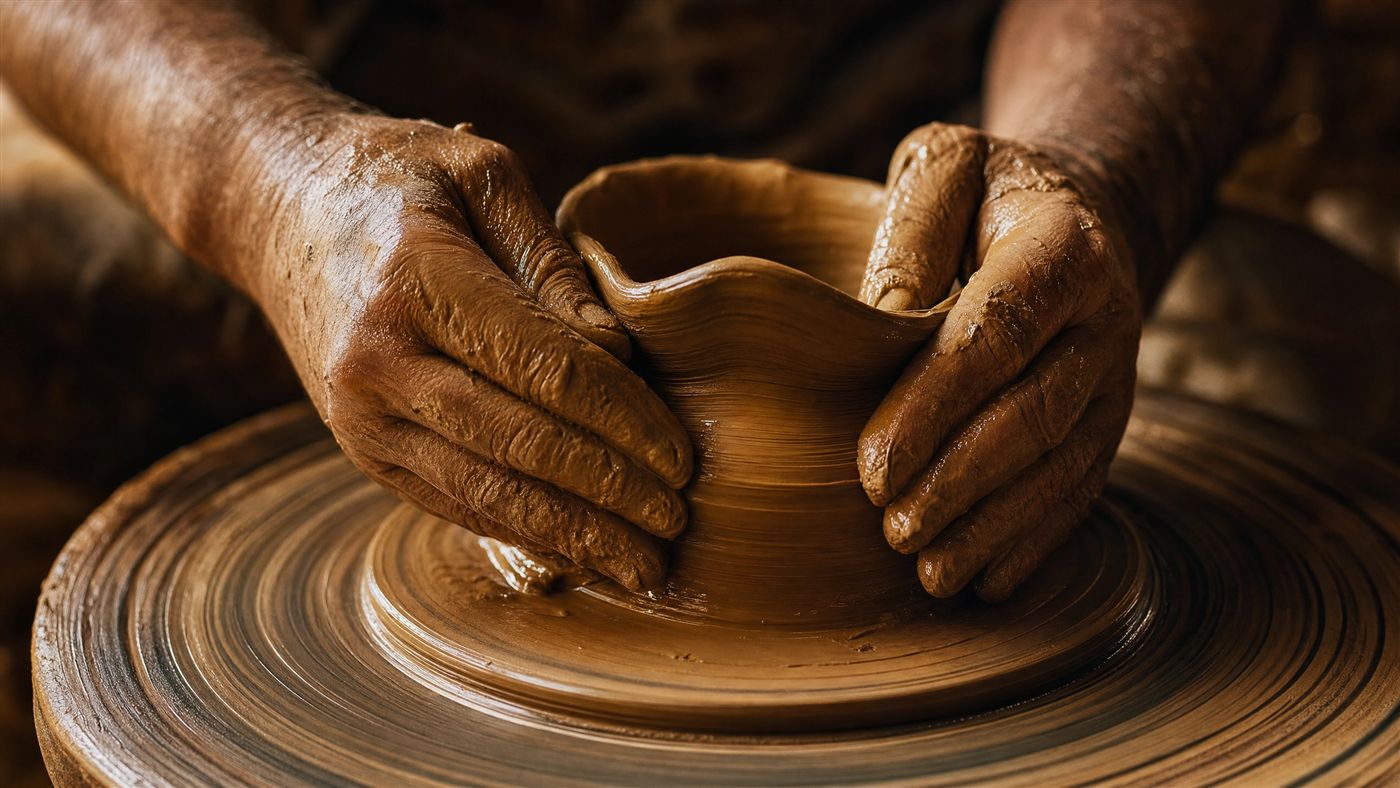
A slightly uneven, handmade cup. A wooden table worn smooth by years of meals. A dry branch in a vase. Wabi-sabi, from Japan, is the art of recognising beauty in what is imperfect, worn and fleeting. More a way of seeing than a decorating style.
What wabi-sabi means
Both words are hard to translate. Wabi suggests simplicity, a peaceful, almost solitary restraint. Sabi suggests the patina of time, the beauty of things that age. Together they propose an idea that runs against our times: nothing is perfect, nothing is finished, nothing lasts, and that is precisely what makes things beautiful.
What wabi-sabi is not
It's often confused with minimalism, or with a decor trend of crumpled linen and beige ceramics. But wabi-sabi can't be bought as a kit. It isn't about replacing your belongings with more "authentic" ones; it's about looking differently at the things you already own, and keeping them longer.
Five ways to welcome it at home
- Keep what has lived. The inherited chair, the mended sweater, the annotated book. Their wear tells a story. It's not a flaw to hide.
- Favour natural materials. Wood, linen, clay, stone, wool. They age well, change with the light and invite touch.
- Repair rather than replace. In Japan, kintsugi mends broken ceramics with gold, highlighting the crack instead of hiding it. Sewing, gluing, refinishing: repair is a gesture of attachment.
- Let the seasons in. A few autumn leaves, a flowering branch in spring, seasonal fruit on the table. The home changes as time passes, and that is beautiful.
- Accept empty space. A shelf that breathes, a bare wall. Emptiness gives the objects you chose room to exist.
Beyond objects
Wabi-sabi is also a way of being with yourself. Accepting an imperfect day, a changing body, an unfinished project. Not waiting for everything to be perfect before enjoying it. That may be its most precious lesson: life doesn't need to be flawless to be fully lived.
The Art of Everyday Living draws deeply on wabi-sabi, alongside the French art de vivre and mindfulness. You'll also enjoy the French art de vivre in everyday life.
Keep reading

Slowing down, without leaving it all.
Slowing down doesn't require a retreat or a life overhaul. Seven simple habits to try today, to bring more presence into an ordinary day.
Read the article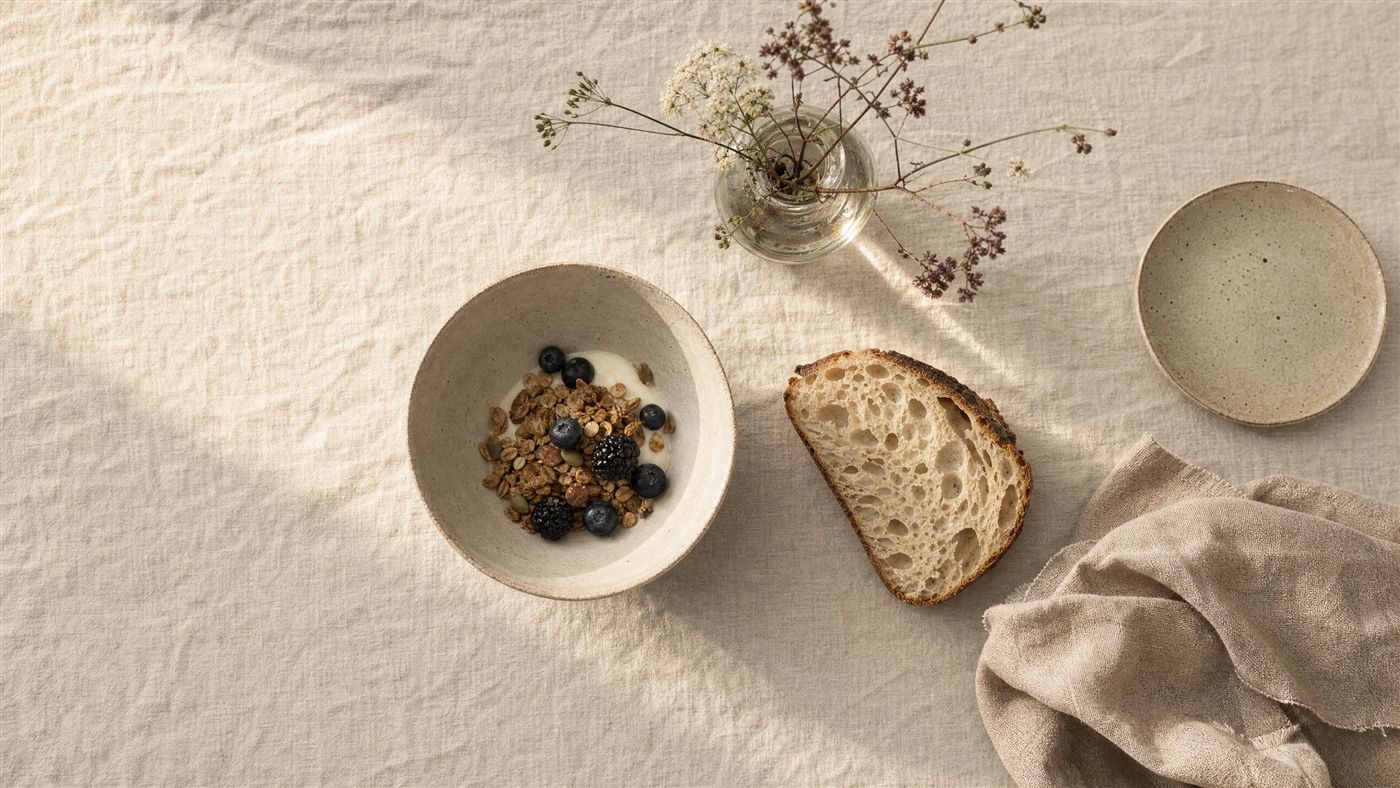
The morning ritual, ten minutes for you.
No need to wake up at 5am. A simple, guilt-free 10-minute morning ritual to start your day calmly instead of in a rush.
Read the article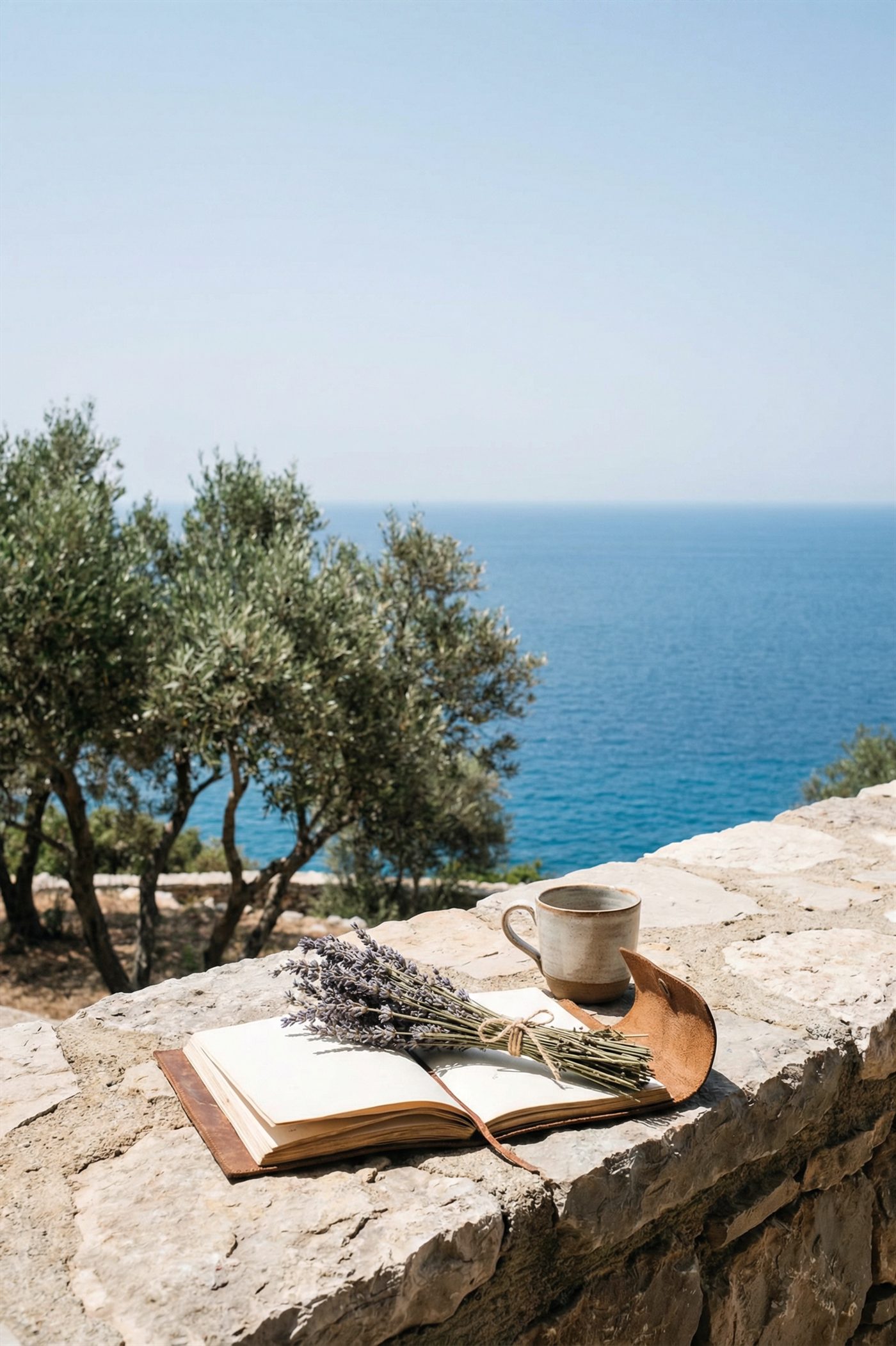
Keeping a journal, writing to see.
Journaling helps you think more clearly, quiet your mind and keep a record of your life. Why write, and how to start simply, even when you feel uninspired.
Read the article